Introduction
Do your eyes often feel like they’ve spent too much time in a dusty, windy desert even when you’re indoors? Whether it’s from long hours staring at a computer screen or exposure to harsh environmental factors, tired and sore eyes have become a common complaint in our digital age. Moreover, conditions like pinguecula, a yellowish bump on the eye, can add to your discomfort. In this blog, we’ll explore simple and effective ways to soothe your tired eyes, prevent conditions such as pinguecula, and enhance your overall eye health, so you can see the world more clearly and comfortably.
Understanding Tired Eyes, Sore Eyes, and Pinguecula
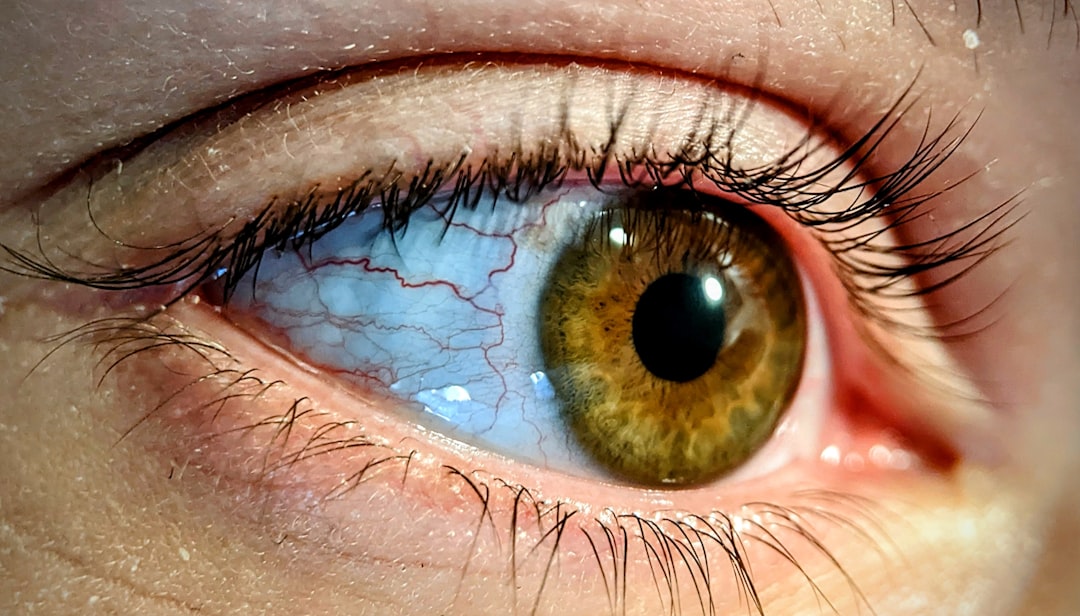
 Image courtesy: Unsplash
What causes tired and sore eyes?
Experiencing tired or sore eyes can be a common complaint, especially in this digital age where screens dominate a large part of our day. The primary cause is usually eye strain, which can occur when your eyes get fatigued from intense use such as staring at computer screens, reading for extended periods, or driving long distances. Besides eye strain, tired and sore eyes can also result from poor lighting conditions, wearing incorrect prescription lenses, dry eyes, or allergies. Furthermore, environmental factors like exposure to dust, smoke, or dry air can exacerbate the condition, leading to discomfort and irritation.
What is pinguecula and how is it related to eye strain?
Pinguecula is a common eye condition where a yellowish, raised bump forms on the conjunctiva, the clear covering over the white part of your eye. It is often seen in people who spend a lot of time outdoors because it is primarily caused by UV light exposure from the sun, as well as from wind and dust. Although pinguecula itself does not usually cause serious problems, its presence can lead to discomfort and a feeling of having sore eyes, particularly under dry or dusty conditions. This irritation can be compounded if you are experiencing eye strain from prolonged screen time or other intense visual tasks, making your eyes feel even more tired and sore.
Tips to Soothe Tired Eyes Naturally
Follow the 20-20-20 rule
One effective way to combat eye strain and soothe tired eyes is by following the 20-20-20 rule. This simple practice can help minimize the strain placed on your eyes during prolonged periods of activity. Here’s how it works: every 20 minutes, shift your vision to look at an object at least 20 feet away for at least 20 seconds. This brief pause allows your eye muscles to relax and can help reduce eye fatigue. Incorporating this rule into your daily routine can significantly reduce your risk of developing strained or sore eyes from extensive screen use or detailed work.
Use artificial tears or eye drops
Dry eyes can often contribute to the feeling of tiredness and soreness. Using artificial tears or lubricating eye drops can help manage these symptoms by moistening the eyes and restoring natural balance. Choose preservative-free drops to avoid potential irritants and use them regularly if you frequently experience dry eyes. Not only will they soothe irritation, but they will also provide a protective layer to keep your eyes more comfortable, especially in air-conditioned or heated environments where air can be particularly dry.
Apply warm compresses
Warm compresses are a soothing remedy for tired and sore eyes. They can help relieve dryness, reduce puffiness, and promote relaxation of the eye muscles. To use this method, soak a clean cloth in warm water, wring it out, and place it over your closed eyelids for about 5 to 10 minutes. The warmth aids in the secretion of oils from the glands in your eyelids, helping to lubricate your eyes more effectively. Additionally, the gentle pressure of the compress can have a calming effect, helping to alleviate both physical and mental fatigue. Repeating this treatment once or twice a day can assist in maintaining eye comfort and health, particularly after long hours of exposure to screens or books.
Preventing Pinguecula
Pinguecula, a yellowish, small growth on the white part of the eye, can be troubling but preventable. These bumps are typically caused by UV exposure, dry eye, and irritants like dust and wind. By taking proactive steps, you can reduce your risk of developing this condition.
Wear sunglasses for UV protection
Protection from the sun’s harmful ultraviolet (UV) rays is crucial in preventing pinguecula. Invest in high-quality sunglasses that offer 100% UV protection. This is essential not only during summer but all year round, especially if you’re spending time outdoors or driving in bright conditions. Wrap-around styles offer the best coverage as they block rays that may enter from the side.
Maintain a balanced diet rich in eye-friendly nutrients
Diet plays a significant role in eye health. To protect your eyes and prevent pinguecula, focus on nutrient-rich foods high in antioxidants. Include plenty of:
– Green, leafy vegetables like spinach and kale
– Fruits such as oranges, berries, and melons
– Fish high in omega-3 fatty acids like salmon and mackerel
These foods help fortify your eyes against the damage of UV light and environmental irritants.
Practice good eye hygiene
Keeping your eyes clean and free from irritants can help prevent pinguecula. Always wash your hands before touching your eyes, especially if you use contact lenses. Use preservative-free lubricating eye drops if you experience dryness. This helps flush out dust and other particles that may cause irritation.
Lifestyle Changes for Better Eye Health
 Image courtesy: Unsplash
Promoting overall eye health involves more than just addressing specific issues like pinguecula. By adopting certain lifestyle changes, you can support long-term eye health and functionality.
Limit screen time and take breaks
In our digital age, excessive screen time is one of the biggest threats to eye health, leading to strain and fatigue. To combat this, practice the 20-20-20 rule: Every 20 minutes, take a 20-second break and focus on something at least 20 feet away. This simple habit helps reduce eye strain and keeps your eyes focused and refreshed.
Adjust lighting in your workspace
Appropriate lighting in your workspace is key to preventing eye strain. Ensure your environment is well-lit but avoid harsh fluorescent lights, as they can cause glare and are linked to increased eye discomfort. If possible, use desk lamps with natural light bulbs. Position your computer screen so that light sources are not directly visible, and adjust the brightness and contrast to comfortable levels.
Get regular comprehensive eye exams
Regular eye exams are crucial for maintaining eye health and catching potential issues early. Even if you believe your eyes are healthy, a comprehensive eye exam can uncover the early stages of eye diseases like pinguecula, glaucoma, and macular degeneration. Adults should have their eyes examined by a professional at least once every two years or more frequently if suggested by your eye care provider.
Adopting these lifestyle changes and preventative measures can greatly contribute to maintaining your eye health and preventing issues like pinguecula. By caring for your eyes today, you’re investing in your vision for the future.
Conclusion: Promoting Healthy Eyes Holistically
Maintaining eye health amidst various strains demands a holistic approach. Prioritize resting your eyes regularly and adopting a nutrient-rich diet to safeguard against common eye conditions. Ensure adequate hydration and wear protective eyewear to defend against harmful environmental elements. By harmonizing these lifestyle adjustments with routine eye check-ups, you’ll enhance your vision’s longevity and vitality. Remember, taking care of your eyes today is investing in your vision for tomorrow.
artificial light effect on eyes, computer glasses, pinguecula
Introduction
Welcome to the illuminating world of eye health! In our digital age, the glow from screens is as common as sunlight, but it’s not as benign as it seems. Understanding how artificial light impacts our eyes can lead to better protective measures and maintain our vision’s longevity. This blog will explore how artificial light from our devices affects our eyes, dive into the benefits of computer glasses, and offer practical advice on preventing conditions like pinguecula. Get ready to shine a light on your eye health and learn how to keep those peepers in perfect shape!
Understanding Artificial Light’s Impact on Eyes

Explanation of how artificial light affects eyes
Artificial light, particularly from sources like LED lighting and screens, emits a significant amount of blue light, which has a shorter wavelength and more energy compared to other colors in the spectrum. When your eyes are exposed to blue light, it can be harder on them because this type of light flickers more rapidly than longer wavelengths. This flickering can create glare that reduces visual contrast and can contribute to eye strain, headaches, and mental fatigue. Furthermore, blue light penetrates all the way to the retina, and excessive exposure can damage light-sensitive cells in the retina. This can cause changes that resemble those of macular degeneration, which can lead to permanent vision loss.
Harmful effects of prolonged exposure to artificial light
Prolonged exposure to artificial light, especially high-energy blue light, can lead to several eye health issues. The most common is digital eye strain (or computer vision syndrome), which includes symptoms like dry eyes, irritation, reduced visual clarity, and even blurred vision. Over time, not only does this cause discomfort, but it also can decrease overall productivity and quality of life. In addition to eye strain, there’s growing concern among eye care professionals about the long-term effects such as the potential for increased risk of certain types of cataracts and age-related macular degeneration. Furthermore, exposure to blue light at night can disrupt natural sleep patterns by inhibiting the production of melatonin, the hormone responsible for regulating sleep.
Benefits of Using Computer Glasses
Definition and purpose of computer glasses
Computer glasses are special-purpose eyeglasses meant to optimize your eyesight when you’re looking at digital screens. They are designed to reduce eye strain by enhancing the focus slightly so your eyes do not have to work as hard. These glasses also usually include a coating that blocks or filters out blue light from computers and other digital devices. By diminishing the blue light exposure, computer glasses help mitigate the adverse effects of prolonged digital screen use, including discomfort and potential damage to the eye’s retina.
Ways in which computer glasses can protect eyes from artificial light
Computer glasses offer several layers of protection that help maintain eye health while using digital devices:
– Filtering Blue Light: Most computer glasses are equipped with lenses that filter out blue light, reducing its exposure to the retina and minimizing potential damage.
– Reducing Glare: These glasses often come with an anti-reflective coating. This coating helps reduce glare from the screen, which can lead to better focus, less eye strain, and a reduced risk of headaches.
– Enhancing Comfort: The slight magnification provided in most computer glasses helps reduce the effort needed to focus on the screen, reducing the strain on the ciliary muscles of the eyes.
– Improving Contrast: By improving contrast, computer glasses help in reducing eye strain and make it easier to look at a screen for extended periods.
Research studies supporting the benefits of computer glasses
Numerous research studies have highlighted the benefits of computer glasses. For instance, a study conducted by the Pacific University College of Optometry found significant improvements in both productivity and work accuracy among computer users who wore specially designed computer eyewear compared to those who did not. Furthermore, another study published by the American Academy of Ophthalmology suggests that blue-light filtering lenses may reduce symptoms of eye strain by as much as 74%. These research findings highlight the tangible benefits of using computer glasses to protect against harmful effects of prolonged exposure to digital screens and artificial light.
Preventing Pinguecula

Definition and causes of pinguecula
A pinguecula is a common eye condition where a yellowish, slightly raised patch appears on the white of the eye, known as the sclera. It is typically found close to the cornea, on the side closest to the nose. This condition occurs mainly due to exposure to ultraviolet (UV) light, wind, and dust. People who spend significant time outdoors without proper eye protection are at a higher risk of developing pinguecula. Age is also a factor, as this condition is more commonly seen in middle-aged and older adults. However, it’s not limited to these age groups and can occur in younger individuals exposed to the aforementioned environmental factors.
Connection between artificial light and pinguecula
Recent studies have begun to explore the potential connection between exposure to artificial light, particularly blue light from digital screens, and the development of pinguecula. While the primary cause remains UV exposure, the incremental damage from the prolonged use of computers, smartphones, and other digital devices may accelerate or exacerbate the condition. Blue light penetrates deep into the eye and can cause oxidative stress on the tissues, including the sclera where pingueculae form. Although more research is needed to establish a direct causative link, it’s essential to consider the potential impact of screen time when discussing eye health measures.
Tips to prevent pinguecula
Preventing pinguecula involves protecting the eyes from excessive UV light and other environmental irritants. Here are some practical tips to help reduce your risk:
– Wear Sunglasses: Always wear sunglasses with 100% UVA and UVB protection when outside, even on cloudy days. Sunglasses help shield your eyes from the harmful effects of UV light, and wide-brimmed hats can offer additional protection.
– Use Protective Eyewear: If you work in an environment with dust, wind, or chemical exposure, ensure to wear appropriate protective eyewear to shield your eyes from irritants that can contribute to pinguecula formation.
– Limit Screen Time: Since there might be a connection between blue light exposure from screens and eye strain or damage, it’s advisable to limit screen time when possible. Make use of blue light filters or computer glasses to decrease blue light penetration.
– Follow the 20-20-20 Rule: To reduce eye strain, every 20 minutes spent using a screen, look away at something that is 20 feet away for 20 seconds. This simple practice helps in minimizing strain on your eye muscles and reduces the risk of eye surface irritation.
– Maintain Indoor Humidity: Dry environments can exacerbate eye irritation and increase the risk of pinguecula. Use a humidifier in your home or workspace to keep the air moist, which can help in maintaining healthy eye surface moisture.
By adopting these preventative measures, you can significantly reduce your risk of developing pinguecula and maintain healthier eyes in environments with potential irritants, including artificial lights.
Conclusion
In conclusion, our eyes are precious assets that require vigilant care, especially in our modern world rife with artificial light sources. Computer glasses offer a beneficial solution by mitigating the harmful effects of blue light, thereby increasing comfort and reducing the risk of digital eye strain. Additionally, taking practical steps like adhering to the 20-20-20 rule and wearing protective eyewear can help prevent conditions like pinguecula. Remember, prioritizing eye health today is key to maintaining clear vision and overall well-being in the future.